DDP Air Conditioning Blog
Insights into Air Conditioning
Discover essential advice and latest news on cooling solutions.
Types of Air Conditioning Systems Available
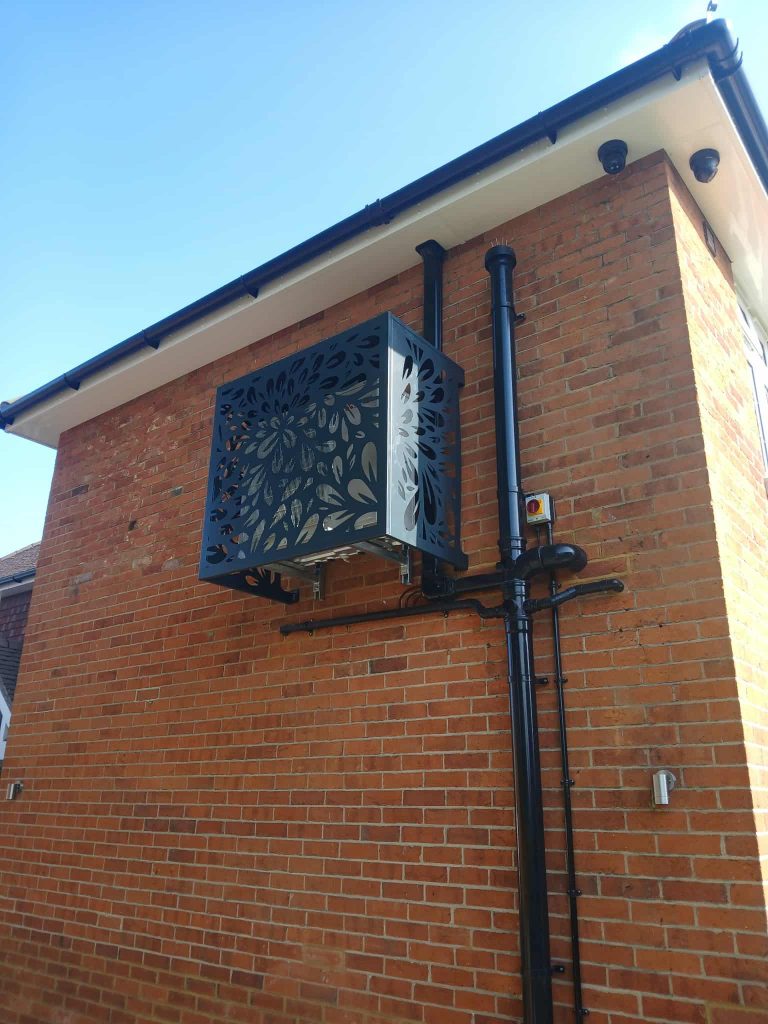
When it comes to choosing an air conditioning system, there are several options available to suit different needs and preferences. The most common types include central air conditioning and ductless mini-split systems. Each type has its own advantages and considerations, making it important to understand their features and applications. Central air conditioning systems are ideal for cooling large spaces and entire buildings. They use a network of ducts to distribute cooled air throughout the property, providing uniform temperature control. These systems are typically more efficient for larger homes and commercial buildings, though they require professional installation and regular maintenance to ensure optimal performance. Ductless mini-split systems offer flexibility and energy efficiency, making them suitable for individual rooms or smaller spaces. These systems consist of an outdoor unit connected to one or more indoor units, allowing for zoned cooling. Each indoor unit can be controlled independently, providing customized comfort in different areas of the home. Ductless systems are easier to install and maintain compared to central air conditioning, and they are increasingly popular for their efficiency and convenience.
Stay Cool This Summer: Your Ultimate Guide to Air Conditioning in Guildford
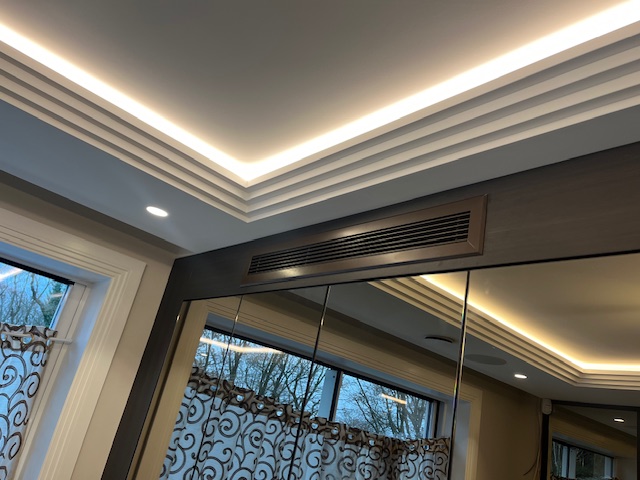
As temperatures rise and summer heat sets in, staying cool becomes a top priority for many in Guildford. Whether you’re looking to escape the sweltering sun in your home or create a climate controlled oasis in your office, understanding air conditioning options is essential. This ultimate guide will walk you through everything you need to know about air conditioning in Guildford, from selecting the right system to installation tips and maintenance advice. We’ll help you make informed decisions that not only keep you cool but also enhance energy efficiency. Say goodbye to sleepless nights and stifling days—let’s dive into the world of air conditioning and find your perfect solution for a comfortable summer!
Understanding How Air Conditioning Works
Air conditioning systems are designed to remove heat and moisture from the interior of an occupied space to improve comfort. The basic principle involves the refrigeration cycle, which includes the processes of evaporation and condensation. An air conditioner uses a refrigerant, a special fluid that absorbs and releases heat, to transfer heat from the indoor air to the outside. The system consists of components such as the evaporator coil, condenser coil, compressor, and expansion valve, which work together to cool the air. The refrigeration cycle begins when the refrigerant absorbs heat from the indoor air at the evaporator coil, turning it into a gas. This gas is then compressed by the compressor, increasing its temperature. The hot gas moves to the condenser coil, where it releases the absorbed heat to the outside air, condensing back into a liquid. The refrigerant then passes through the expansion valve, reducing its pressure and temperature before returning to the evaporator coil to start the cycle again. Understanding the components and functions of an air conditioning system is crucial for effective operation and maintenance. Knowing how each part contributes to the cooling process helps in diagnosing issues and optimizing performance. This foundational knowledge empowers homeowners and business owners to make informed choices when selecting, installing, and maintaining their air conditioning systems keep your AC running smoothly with expert upkeep tips.
The Importance of Air Conditioning in Guildford’s Climate
Guildford, known for its picturesque landscapes and historic sites, experiences a temperate maritime climate. Summers can be warm and occasionally hot, making air conditioning a valuable asset for comfort and productivity. The importance of air conditioning in Guildford’s climate cannot be overstated, as it plays a vital role in maintaining indoor air quality and thermal comfort during the warmer months. With the increasing frequency of heatwaves, air conditioning becomes essential for vulnerable populations such as the elderly, young children, and those with health conditions. It helps prevent heat-related illnesses by ensuring a cool and safe indoor environment. Moreover, air conditioning enhances productivity in workplaces by creating a comfortable atmosphere that prevents fatigue and heat stress, leading to improved employee performance. In residential settings, air conditioning contributes to better sleep quality, as cooler temperatures are conducive to restful sleep. It also protects homes from humidity-related issues such as mold growth, which can damage property and pose health risks. The ability to control indoor climate allows residents to enjoy their living spaces regardless of external weather conditions, making air conditioning an indispensable part of modern living in Guildford.
Key Features to Look for in an Air Conditioning System
Selecting the right air conditioner involves considering several key features that impact performance, efficiency, and comfort. One of the most important aspects is the cooling capacity, measured in British Thermal Units (BTUs). The appropriate BTU rating depends on the size of the space to be cooled. Choosing an air conditioner with the correct cooling capacity ensures optimal performance and energy efficiency. Energy efficiency is another critical factor, often indicated by the Seasonal Energy Efficiency Ratio (SEER) rating. Higher SEER ratings represent more efficient units, which can lead to significant energy savings and reduced utility bills. Investing in an energy-efficient model not only benefits the environment but also provides long-term financial savings. Additional features to consider include programmable thermostats, which allow users to set specific temperatures and schedules for cooling. This feature enhances convenience and energy efficiency by ensuring the air conditioner operates only when needed. Advanced air conditioners may also offer smart connectivity, enabling remote control via smartphone apps. Noise levels are an important consideration, especially for residential use. Air conditioners with lower decibel ratings provide quieter operation, contributing to a more comfortable living environment.
Installation Tips for Air Conditioning Systems
Proper installation is crucial for the effective operation and longevity of an air conditioning system. Whether you’re installing a central air conditioner, a ductless mini-split system, following best practices ensures optimal performance and energy efficiency.
For central air conditioning systems, the installation process involves several steps, including site assessment, ductwork design, and system integration. An experienced HVAC technician will evaluate the property to determine the best location for the outdoor unit and design the ductwork layout to ensure even distribution of cooled air. Proper insulation and sealing of ducts are essential to prevent energy loss and maintain efficiency.
Ductless mini-split systems require the installation of an outdoor unit and one or more indoor units. The indoor units are typically mounted on walls or ceilings, with refrigerant lines connecting them to the outdoor unit. Ensuring proper placement of indoor units is important for effective cooling and air distribution. The installation process also involves drilling holes for refrigerant lines and electrical connections, which should be performed with precision to avoid damage and ensure airtight seals.
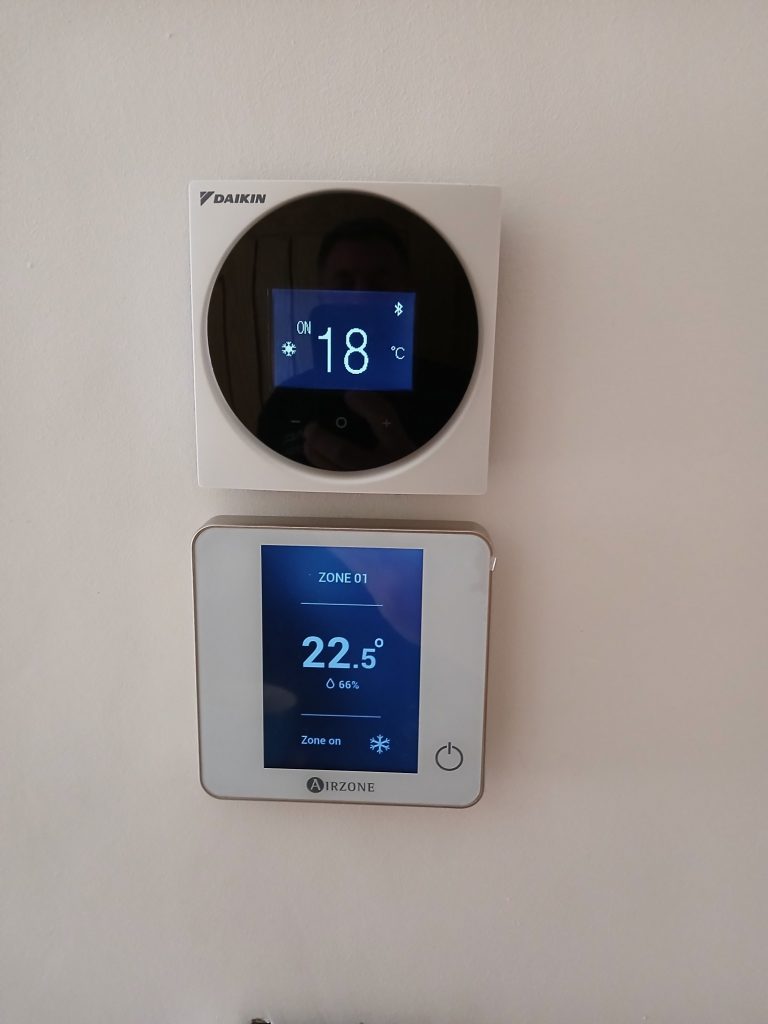
Maintenance & Care for your Air Conditioning System
Regular maintenance is essential for the optimal performance and longevity of an air conditioning system. Simple routine tasks can prevent major issues and ensure efficient operation, saving on repair costs and extending the unit’s lifespan. Understanding maintenance requirements for different types of air conditioners helps keep your system in top condition. For central air conditioning systems, regular maintenance includes inspecting and cleaning the outdoor unit, checking refrigerant levels, and inspecting ductwork for leaks or damage. Cleaning the evaporator and condenser coils is crucial for efficient heat transfer, while checking and replacing air filters ensures proper airflow and indoor air quality. Scheduling annual professional inspections helps identify potential issues and ensures comprehensive maintenance.
Ductless mini-split systems require periodic cleaning of indoor unit filters and coils. The outdoor unit should be kept free of debris and inspected for any signs of wear or damage. Regularly checking refrigerant lines and connections ensures efficient operation. Professional servicing every year is recommended to ensure the system continues to operate optimally.
Troubleshooting Common Air Conditioning Issues
Despite regular maintenance, air conditioning systems may encounter issues that affect performance. Understanding common problems and their solutions helps homeowners and business owners address issues promptly and avoid discomfort. Some typical air conditioning
issues include insufficient cooling, unusual noises, and water leaks.
Insufficient cooling can result from various factors such as dirty filters, low refrigerant levels, or blocked condenser coils. Checking and cleaning filters regularly helps maintain proper airflow and cooling efficiency. If refrigerant levels are low, professional recharging is necessary to restore optimal cooling performance. Blocked condenser coils should be cleaned to ensure effective heat transfer.
Unusual noises from an air conditioner may indicate issues such as loose components, damaged fans, or refrigerant leaks. Identifying the source of the noise is crucial for addressing the problem. Tightening loose components, replacing damaged parts, and repairing refrigerant leaks require professional intervention to ensure safe and effective solutions. Water leaks can result from clogged drainage systems, improper installation, or frozen coils.
Clearing clogs in the drainage system and ensuring proper installation helps prevent leaks. Frozen coils may indicate issues such as low refrigerant levels or airflow obstructions, which require professional diagnosis and repair. Regular inspections and maintenance help prevent these issues and ensure reliable operation.
Benefits of Professional Air Conditioning Services
While some maintenance tasks can be performed by homeowners, professional air conditioning services offer numerous benefits for ensuring optimal performance and longevity of the system.
Experienced HVAC technicians provide comprehensive inspections, precise installations, and effective repairs that enhance efficiency and reliability.
Professional installation ensures that air conditioning systems are set up correctly, adhering to manufacturer guidelines and industry standards. Proper installation prevents issues such as air leaks, inefficient cooling, and premature wear, contributing to long-term performance and
energy savings. Technicians have the expertise to handle complex installations, ensuring seamless integration with existing systems.
Regular professional inspections help identify potential issues before they become major problems. Technicians can detect early signs of wear, refrigerant leaks, and component malfunctions, addressing them promptly to prevent costly repairs. Comprehensive maintenance
services, including cleaning coils, checking electrical connections, and testing system performance, ensure that the air conditioner operates efficiently and reliably. In the event of a breakdown or malfunction, professional repair services provide effective solutions that restore the system to optimal condition. Technicians have the knowledge and tools to diagnose issues accurately and perform repairs safely. Emergency repair services offer
prompt assistance, minimizing downtime and discomfort during peak summer months.
Conclusion: Enjoying a Cool Summer in Guildford
As summer approaches, ensuring a comfortable indoor environment becomes essential for enjoying the season to the fullest. Air conditioning systems offer valuable solutions for maintaining cool and pleasant spaces, whether at home, in the office, or in commercial settings. By understanding the various types of air conditioning systems, key features, and maintenance requirements, residents of Guildford can make informed decisions to enhance their comfort and energy efficiency. Choosing the right air conditioner involves considering factors such as cooling capacity, energy efficiency, and additional features that contribute to performance and convenience. Proper installation and regular maintenance are crucial for optimal operation and longevity, ensuring reliable cooling throughout the summer. Addressing common issues promptly and seeking professional services when needed further enhances the system’s performance. Embrace the benefits of modern air conditioning technology and enjoy a cool, comfortable summer in Guildford. With the right system and care, you can create a climate-controlled oasis that provides respite from the heat and enhances your quality of life. Say goodbye to sleepless nights and stifling days—stay cool this summer with your ultimate guide to air conditioning in Guildford!